


Hazardous Material Transport (HAZMAT)
Reliable HAZMAT Transport Solutions Across the Greater Toronto Area
Need to move hazardous materials safely in the GTA and surrounding areas? Our certified team provides secure, Ministry-approved hazardous material transport for commercial, industrial, and municipal projects. From hydrocarbon waste to contaminated slurry, we handle it all—safely, legally, and efficiently.
Whether you’re managing a drilling operation, remediation project, or large excavation site, we offer full-service support backed by environmental compliance and safety-first practices.
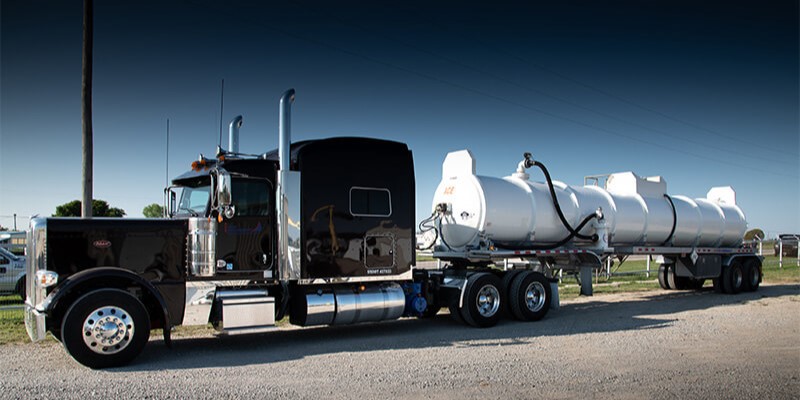
Safe, Licensed Transport for Hazardous Waste Materials
Fully Licensed Hazardous Waste Hauling in the GTA
We support clients across the Greater Toronto Area and surrounding areas with dependable service and environmental integrity.
We transport regulated waste with full compliance to:
- TDG (Transportation of Dangerous Goods)
- Ontario Ministry of the Environment (MOE)
- Municipal and provincial guidelines
Types of Hazardous Materials We Handle:
All materials are packaged, labeled, and transported using certified methods and equipment.
Industries & Clients We Serve
Our HAZMAT logistics and disposal solutions are trusted by:
We work directly with your project managers, consultants, and EH&S teams to ensure all regulatory requirements are met.
Why Choose Us for HAZMAT Transport?
Certified & Licensed Operators
We hold valid provincial licensing for hazardous material hauling. Our drivers are TDG certified and receive regular safety training updates.
Integrated Environmental Logistics
Seamless coordination with our core services:
- Hydrovac excavation
- Directional drilling waste cleanup
- Bulk water delivery
- U-fill cement & slurry transport
Documentation & Regulatory Expertise
We manage:
- Waste manifests
- Chain-of-custody logs
- Environmental compliance forms
- Facility drop-off and verification
Specialized Fleet
We deploy vacuum trucks, HAZMAT tankers, and sealed units tailored to handle specific waste classes and containment needs.
Did You Know? – HAZMAT Waste Trends in the GTA
Toronto generates over 20,000 tonnes of regulated hazardous waste annually from construction and industrial activity.
New MOE enforcement guidelines require full traceability for Class 9 materials and transportation manifests.
Improper hazardous waste transport can result in fines exceeding $100,000 under Ontario law.
Our team stays ahead of compliance trends and municipal requirements—so you don’t have to.
Environmentally Responsible Waste Handling
We don’t just transport HAZMAT—we help protect ecosystems. Each load is documented, tracked, and disposed of at certified receiving facilities. Our methods are aligned with Ontario’s environmental best practices.
Every HAZMAT project includes:
- Pre-transport risk assessment
- Job-specific safety plan
- Regulatory review and manifest support
Compliance from start to finish
We maintain a transparent process from pickup to final disposal or treatment.
Request a Quote or Schedule a Pickup
Need certified hazardous material transport in the GTA? Contact our team to get started:
- Get a fast, accurate quote
- Schedule same-day or next-day service
- Ensure compliant HAZMAT removal from any site
Call now or request service online.
We’re fast, safe, and fully certified to haul dangerous goods across Ontario.
Hazardous Material Transport (HAZMAT) FAQs
What is considered a hazardous material in transportation?
Hazardous materials include any substance that could cause harm to people, property, or the environment during transportation. This covers flammable liquids, compressed gases, corrosive chemicals, toxic substances, and radioactive materials. In Ontario, these are regulated under the Transportation of Dangerous Goods (TDG) Act.
Who regulates hazardous materials transport in Ontario?
In Ontario, the movement of hazardous materials is regulated by Transport Canada under the Transportation of Dangerous Goods (TDG) Act. Provincial authorities such as the Ministry of Transportation Ontario (MTO) also enforce road safety regulations that relate to hazardous materials transport.
What are the 9 classes of dangerous goods?
The 9 classes include:
- Explosives
- Gases
- Flammable Liquids
- Flammable Solids
- Oxidizing Substances & Organic Peroxides
- Toxic & Infectious Substances
- Radioactive Materials
- Corrosives
- Miscellaneous Dangerous Goods
Do you need certification to transport hazardous materials in Ontario?
Yes. Anyone involved in offering, handling, or transporting hazardous materials must be TDG certified. This includes drivers, warehouse staff, and contractors. Employers must provide this training and issue a certificate that is valid for 3 years.
What is a HAZMAT placard and when is it used?
HAZMAT placards are diamond-shaped signs placed on vehicles transporting hazardous goods. They show the hazard class, UN number, and relevant warnings. In Ontario, placards are required for shipments above specified quantity limits and must be visible on all sides of the vehicle.
What types of vehicles are allowed to transport hazardous materials?
Only vehicles that meet the safety and containment standards under TDG regulations may transport dangerous goods. This often includes bulk tankers, cargo vans with secondary containment, and flatbeds with properly secured containers. They must be equipped with placards, emergency kits, and trained drivers.
Can a construction contractor legally transport fuel or other hazardous substances?
Yes. As long as the contractor is TDG certified and follows all applicable packaging, labeling, and documentation rules, they can legally transport materials like fuel, solvents, or adhesives to job sites.
How are hazardous materials classified in Canada?
Materials are classified by their chemical and physical properties using criteria set by the TDG Regulations. Factors include flammability, toxicity, reactivity, and potential to cause environmental harm. Each substance is assigned a UN number and hazard class.
What is required on a shipping document for hazardous materials?
Shipping documents must include:
- UN number
- Proper shipping name
- Hazard class
- Packing group
- Quantity
- Emergency contact number
- Certification statement
These must be kept accessible in the vehicle cab during transit.
Are there fines for transporting hazardous materials improperly in Ontario?
Yes. Penalties under the TDG Act can range from $500 to over $100,000 per day per offense. Serious violations may lead to criminal charges or suspension of operating licenses.
How often does TDG training need to be renewed?
Every 3 years. If an employee’s duties change, or if they begin handling new classes of dangerous goods, they must be re-trained. Employers are responsible for maintaining records of training and certification.
What’s the difference between Class 3 and Class 8 materials?
Class 3 includes flammable liquids such as gasoline or paint thinner.
Class 8 includes corrosives like battery acid or industrial cleaners.
Each class requires different containment, labeling, and emergency precautions.
How do you know if a substance is regulated as a hazardous material?
Check:
- The Safety Data Sheet (SDS)
- TDG Schedule 1 for UN numbers
- Product labeling
- Manufacturer documentation
If listed under the TDG Act, it must follow specific transport rules.
Can you mix hazardous materials in the same load?
Only if they’re compatible. Some chemicals can react dangerously when stored together. Transporting incompatible materials together can violate TDG rules and create severe safety risks.
What is a TDG exemption and when can it be used?
TDG exemptions allow some flexibility in certain situations. Common exemptions include:
- 150 kg gross mass exemption
- Limited quantity exemption
- Consumer commodity exemption
These reduce the regulatory burden for small or low-risk quantities but still require training.
What do the colors on HAZMAT placards mean?
Each color signals a type of hazard:
- Red: Flammable
- Yellow: Oxidizer
- White: Toxic or Infectious
- Blue: Dangerous when wet
- Green: Non-flammable gas
- Orange: Explosives
The colors help emergency responders assess risks quickly.
How are spills or leaks of hazardous materials handled on the road?
First, the area must be secured. The driver follows emergency procedures outlined in the Emergency Response Guidebook (ERG). Local authorities and environmental response teams may be contacted depending on the volume and hazard class.
Can I carry small amounts of hazardous materials without placards?
Yes. The Limited Quantity exemption allows some substances to be transported without placards if they meet quantity and packaging rules. For example, a contractor can carry small jugs of flammable liquid under this rule.
What is the 150 kg gross mass exemption?
It allows individuals to transport up to 150 kg of certain dangerous goods for personal or business use without full TDG requirements, provided the packaging and labeling are still compliant.
Is a HAZMAT endorsement required on an Ontario driver’s license?
No special driver’s license endorsement is needed under provincial law. However, TDG training is mandatory. Drivers must carry proof of their training and know how to respond to emergencies.
How are dangerous goods labeled on packaging?
Labels must include:
- UN number
- Proper shipping name
- Class symbol
- Packing group (if applicable)
- Risk phrases in both English and French
They must be durable and visible during transport and storage.
What PPE is required when handling hazardous materials?
PPE depends on the material. Common requirements include:
- Nitrile or chemical-resistant gloves
- Safety goggles or face shields
- Coveralls or Tyvek suits
- Respirators for toxic vapors
Always refer to the SDS for exact requirements.
Can you transport flammable liquids in pickup trucks?
Yes, but only in approved containers and within exemption limits. For larger amounts, placards, TDG documentation, and trained drivers are required. Open transport (without containment or straps) is not allowed.
How are HAZMAT containers tested or certified?
Containers must meet UN performance standards and are subject to periodic testing for pressure, leaks, and structural integrity. Damaged or expired containers must not be reused.
What is the Emergency Response Guidebook (ERG)?
The ERG provides information to help first responders manage hazardous material incidents. It includes response actions by hazard class, isolation distances, and protective measures. TDG regulations require drivers to carry it in the vehicle.
Are flammable gases and liquids treated the same under TDG?
No. They fall under different hazard classes (Class 2 for gases, Class 3 for liquids) and have separate rules for containment, emergency response, and quantity thresholds.
Can hazardous materials be stored temporarily in vehicles?
Only for limited durations and under specific conditions. Vehicles must be parked in secure, ventilated areas and remain under observation. Long-term storage requires compliance with local fire and environmental codes.
Are HAZMAT signs required for job sites too?
Yes. When dangerous goods are stored or used on-site in significant quantities, signs and safety data must be posted visibly to comply with Occupational Health and Safety Act (OHSA) and fire code regulations.
What types of fuel are considered hazardous under TDG?
Gasoline, diesel, propane, and natural gas are all regulated under TDG. Gasoline is Class 3, propane is Class 2. These must be handled with certified containers, placards (if applicable), and safety precautions.
How can a small business stay compliant with TDG rules?
Ensure:
- All staff are trained
- Documentation is accurate
- Labels and placards are correct
- Emergency plans are in place
- Inspections are routine
Small businesses can request consultations from the Ontario Ministry of Labour for compliance assistance.
What should be included in a contractor’s HAZMAT transport plan?
Include:
- Inventory of substances
- Transport containers and routes
- Driver training certificates
- Emergency procedures
- Spill kit availability
- Communication protocols
This plan should be updated as job requirements change.
How do I report a HAZMAT spill in Ontario?
Call Spills Action Centre at 1-800-268-6060 immediately. Provide location, material involved, quantity, and any immediate risks. You may also need to report to Environment Canada if waterways are affected.
Is commercial insurance needed for transporting dangerous goods?
Yes. Standard auto or business policies may not cover hazardous materials. You’ll need a policy that includes environmental liability and cargo coverage tailored for dangerous goods transport.
Areas We Provide Hazardous Material Transport Near You
Greater Toronto Area (GTA)
City of Toronto
Town of Ajax
Town of Aurora
City of Brampton
Township of Brock
City of Burlington
Town of Caledon
Municipality of Clarington
Town of East Gwillimbury
Town of Georgina
Halton Region
Town of Halton Hills
Town of Milton
Town of Oakville
Peel Region
City of Mississauga
City of Brampton
Town of Caledon
York Region
Town of Aurora
Town of East Gwillimbury
Town of Georgina
Township of King
City of Markham
Town of Newmarket
City of Richmond Hill
City of Vaughan
Town of Whitchurch-Stouffville
Durham Region
Town of Ajax
Township of Brock
Municipality of Clarington
City of Oshawa
City of Pickering
Township of Scugog
Township of Uxbridge
City of Whitby
Ontario
Canada